The Deep Signal: a story you decipher, one message at a time
· The Starlane team · 3 min read
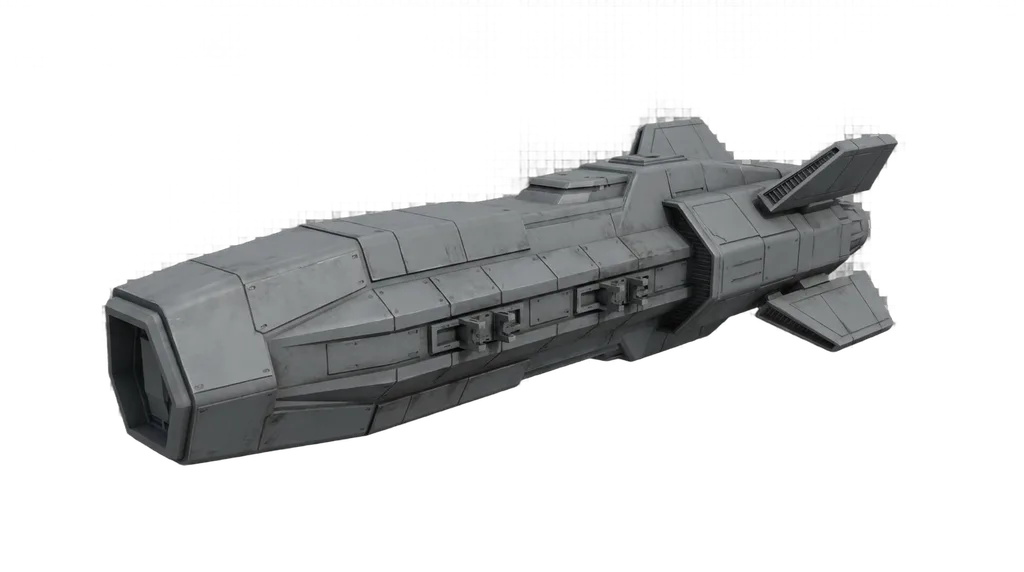
Out past the rim, something is transmitting.
Your ship's comms already listens for hails, and the HUD's comms decode is how you read one: a scrambled line, a wheel to turn, a window to read it in. Sometimes your comms catches something that isn't in any phrasebook. It doesn't come from a pilot or a station. It doesn't decode in a window. It just waits for you.
That's the Deep Signal: a story told in messages you decipher yourself, kept in a log of your own.
How a message finds you
Nothing in it runs on a timer, and nothing arrives because you opened a page. A message comes when you do something that puts your comms where it can hear it: arriving at a system on the rim, or finishing a comms decode on the HUD. Either can bring one. If luck keeps it away for a while, the game doesn't: you're never more than a few of those acts from the next.
It doesn't land the moment you dock, either. It turns up a few minutes later, while you're busy with something else, the way a hail from another pilot does.
The Signal Log
Every message waits in the Signal Log until you read it. Only one waits at a time, so the Log never piles up into a list of chores. A new one can't arrive until you've read the last.
Nothing is timed. A message has no window. Try a key; if it's wrong, the attempt costs you nothing but the attempt. The puzzle is the reward. You can leave a message for a week and come back to it.
A cipher that teaches the next one
The first message arrives in the HUD's own cipher, a simple shift. So the first thing you do is a game you already know, and the thing it tells you is not. After that, each message teaches the one that follows it. One hands you the key word for the next. Another tells you how its letters have been laid out.
The screen gives you the tool each cipher needs, whether that's a wheel to turn, a box to type a key word, or a number of rails to try. It shows you the result as you change it. It never gives you the answer. Everything in it is classical, the kind of cipher you could break with a pencil and the back of an envelope. That's on purpose: you need curiosity, not a reference book.
The same story, and your own key
Every pilot reads the same story, in the same order, at their own pace. The key to each message is yours alone, worked out from your own pilot. So you can talk about what the messages say with anyone. What you can't do is paste someone else's answer: it won't open yours.
That's the kind of secret worth sharing. "Did you get the one that says…" is a conversation. A list of answers is not.
Where it leads
Read the first stretch of the Log and a new skill opens for you to train, one that only exists for the pilots who've read that far. Like every skill in the game, it trains on the real-world clock, and it's useful on the HUD you already fly with.
After that, the story goes somewhere. Where it goes, and who is calling, is the story's to tell, and we'd rather you found out from the Log than from us.
New to Starlane? Your first evening gets you flying, and why there's no map explains why the rim is worth the trip.
Create a pilot. The rim is listening.
Starlane is a persistent space game you play in a browser — free, no download. Start flying →