Real physics in a space game: the laws under every job in Starlane
Realistic space game physics: every job in Starlane runs on real laws, from the rocket equation to the radar equation. What is real, and what is fiction.
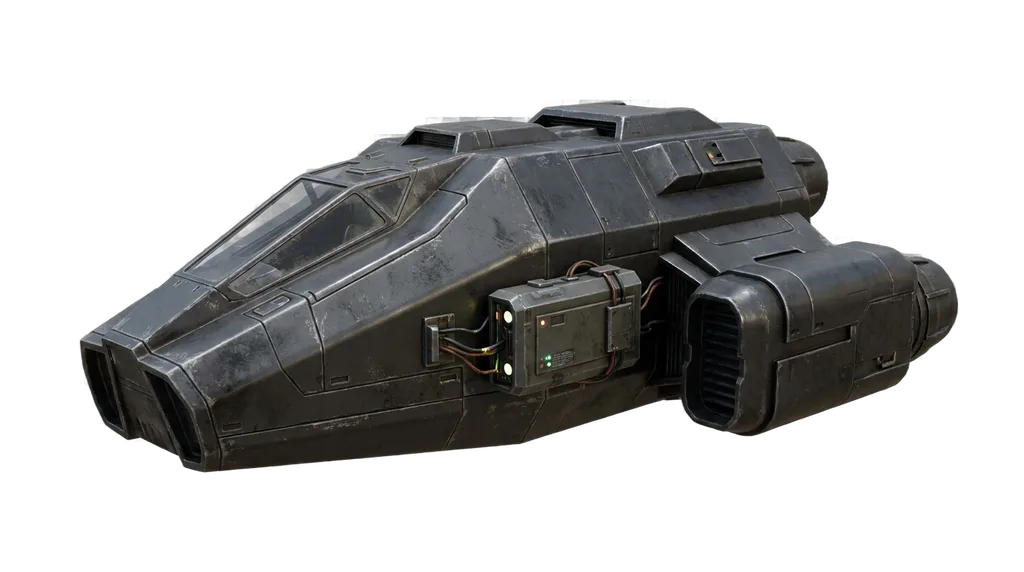
Every job is a puzzle: the work plans of Starlane
In Starlane every job is a small puzzle: stow a hold, plot a jump, aim a volley, program a furnace. A good plan beats a stat you could buy.
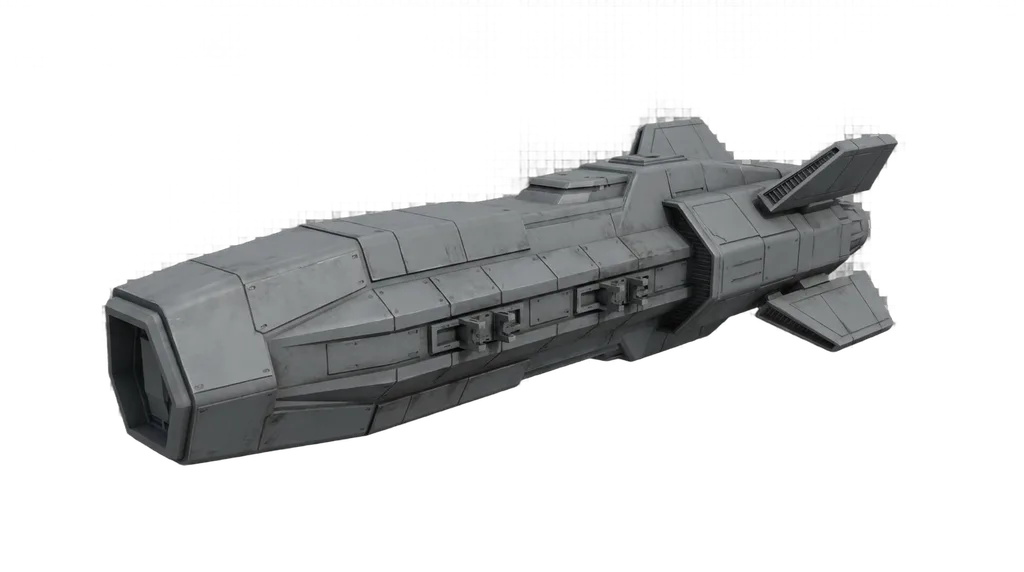
The Deep Signal: a story you decipher, one message at a time
The Deep Signal: a story you decipher in Starlane, one cipher at a time. Messages from beyond the rim, a key of your own, and no timer. No spoilers.
The Starlane Times: the newspaper a space game writes about its players
Every day Starlane writes its own front page from what its players did: licences, losses, crews, a contested station. It names none of them.

We pay players when their idea ships: the Starlane signal board
In Starlane, when an idea you sent in gets built, you are paid for it in credits. How the signal board works, who reads it, and what gets you paid.
Why there's no map: discovery at the heart of a space game
Starlane is a space game with no map. You start with one system, chart the rest by flying, and nobody, us included, will tell you how big the galaxy is.

Your pilot page, and bringing a friend to Starlane
How your Starlane pilot page works: off until you turn it on, never in search engines, moments worth sharing, and what a friend's link earns you both.

No pay-to-win, enforced by the architecture rather than a promise
· #design
Every free game promises no pay-to-win. Starlane makes it structurally impossible: the code that decides any outcome cannot read whether you have paid.